
What Does an Occupational Therapist Do For a Child
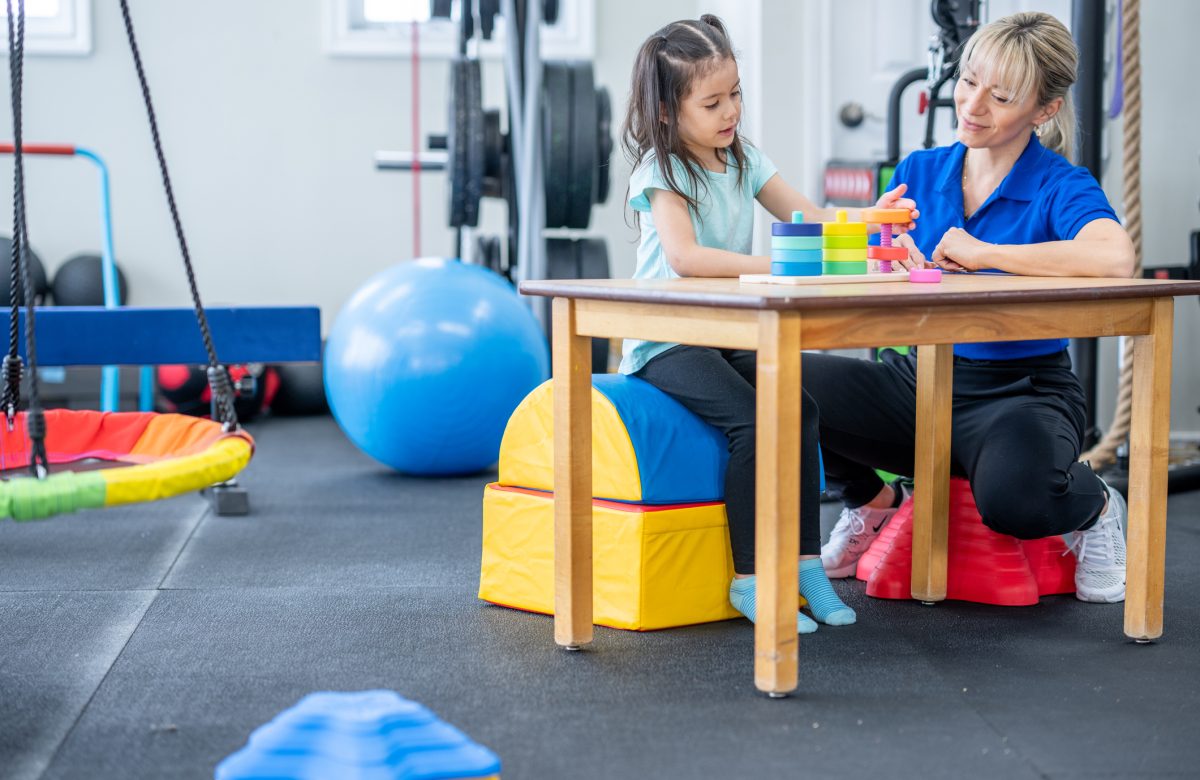
Parents often come across the term occupational therapy when their child needs support with development or daily activities. Many wonder what does an occupational therapist do for a child and how this type of therapy can improve a child’s everyday life. Occupational therapy focuses on helping children learn skills that allow them to participate with confidence at home, school and in social settings.
Supporting Everyday Routines
One of the main roles of an occupational therapist is to help children manage daily routines with greater ease. This may include learning to dress, organise school items, manage cutlery during meals or follow multi step instructions. The aim is to make everyday tasks smoother so children feel capable and independent.
Strengthening Fine Motor Skills
Fine motor development is an important part of learning and play. Some children find it challenging to hold a pencil, use scissors, fasten buttons or control small objects. An occupational therapist introduces playful activities that build strength in the hands, improve finger awareness and encourage precise movements. These skills support writing, drawing and other classroom tasks.
Enhancing Sensory Processing
Many children experience difficulty responding to sensory input such as loud noises, touch, movement or bright spaces. An occupational therapist helps children understand and manage these experiences. Sessions may include calming activities, movement based tasks or exercises that improve body awareness. When children learn how to regulate their sensory responses they often feel more settled and confident.
Encouraging Emotional Development
Emotional skills influence how a child interacts with others and manages challenges. Occupational therapists guide children in recognising their feelings, building patience and using strategies that help them stay calm during difficult moments. These skills improve participation in group settings and support positive relationships with classmates, teachers and family members.
Preparing Children For School
School readiness involves much more than academic abilities. Children need coordination, focus, planning and self care skills to manage classroom expectations. Occupational therapists work on posture for seated learning, pencil control, listening skills and routines that make transitions easier. This support helps children adjust comfortably to structured learning environments.
Creating Personalised Plans
Each child has unique strengths and needs which is why occupational therapy is always personalised. Therapists collaborate with families and educators to understand goals and create meaningful plans that fit the child’s daily life. Therapy is built around engaging activities so the child enjoys learning new skills while gradually building confidence.
Conclusion
Understanding what does an occupational therapist do for a child helps parents recognise the wide support this therapy offers. From improving coordination to building emotional resilience, occupational therapy plays a valuable role in helping children participate fully in daily life. With consistent guidance children become more confident, more capable and better prepared for challenges as they grow.
Frequently Asked Questions
A child may benefit from therapy if they struggle with coordination, attention, emotional regulation, sensory challenges or daily routines such as dressing and handwriting.
Every child is different. Some show improvements within weeks while others may need ongoing support depending on their goals.
Yes. Many behaviours are linked to sensory processing or emotional regulation. Occupational therapists teach strategies that help children manage their responses more effectively.
Parents are often encouraged to be involved. Therapists guide families on how to support practice at home which strengthens overall progress.
No. Babies, toddlers, preschoolers and teenagers can all benefit depending on their individual needs.
