
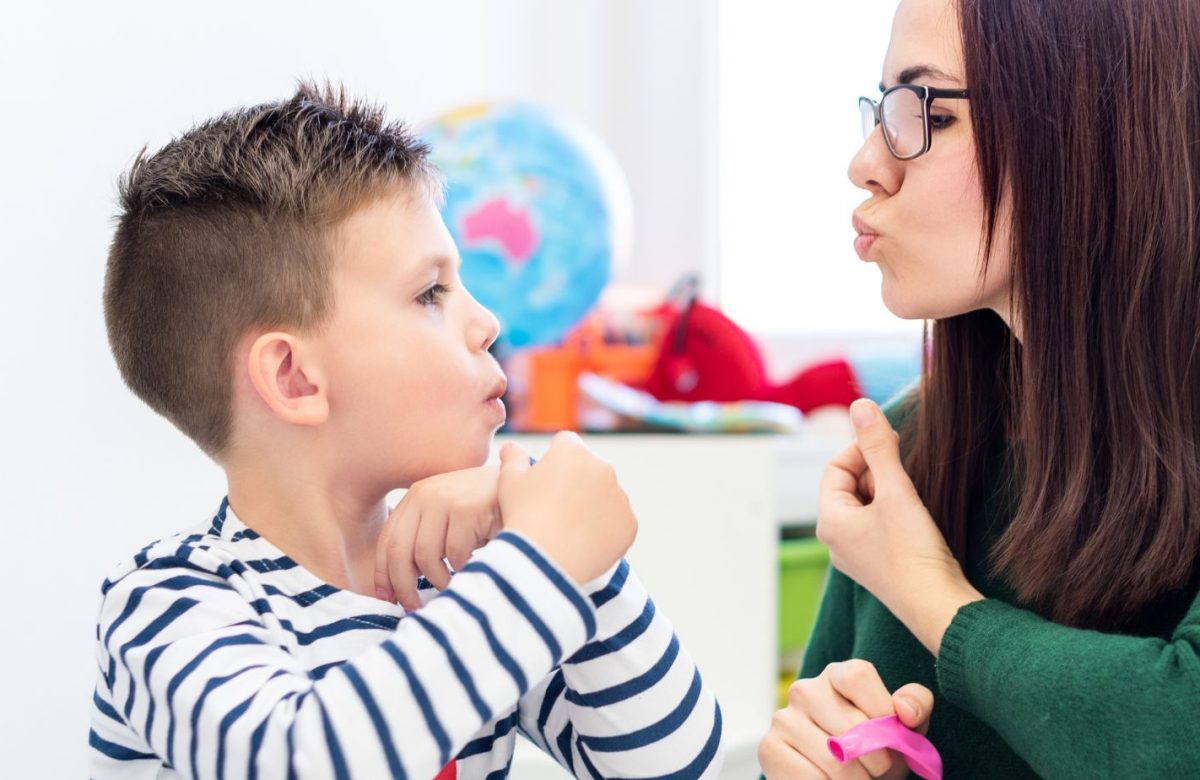
A Complete Guide to Speech Therapy for Autistic Children
Supporting a child’s communication development can feel overwhelming when they struggle to express their needs or understand language. Many families explore speech therapy for autistic children because it offers support that strengthens communication skills, builds confidence and encourages meaningful connections.
Understanding the Role of Speech Therapy
Speech therapy focuses on helping children improve communication through personalised techniques. These techniques may include building vocabulary, developing social communication and supporting nonverbal communication methods. Each child brings unique abilities, so the therapist designs a plan that matches their comfort level and goals.
Helping Children Express Themselves
A major focus of speech therapy for autistic children is boosting their confidence in expressing thoughts and feelings. Some children speak verbally while others use gestures or communication tools. Therapists create an environment that allows children to explore various ways of expressing themselves. Over time, children often gain confidence and become more responsive during daily interactions.
Working With Families
Therapists guide families on how to support communication outside the therapy room. Simple activities at home and school can help reinforce skills. When families participate, children often show greater improvement in language development and social engagement. This teamwork approach helps children communicate more naturally in everyday situations.
Learning Through Play
Play based learning is an essential part of speech therapy. Children respond well to activities that feel enjoyable and interactive. Games, stories and role play are often used to teach skills like taking turns, listening and responding. These small steps often lead to steady improvement.
Using Visual and Communication Tools
Many children benefit from supports such as picture cards, communication boards or digital apps. These tools are especially helpful for children who find verbal speech challenging. The goal is to help the child express needs and emotions in a way that feels comfortable and effective.
Benefits of Early Support
Early intervention can make a significant difference. Children who receive speech therapy often improve their ability to follow instructions, participate in conversations and connect socially. These skills also support academic progress, making early support valuable.
Conclusion
Speech therapy for autistic children offers meaningful support for communication, social development and emotional confidence. With patient guidance and family involvement, children can discover new ways to express themselves and build strong connections that enrich daily life.
Frequently Asked Questions
The purpose is to help children communicate more effectively by improving verbal and nonverbal communication skills.
Yes. Therapists use tools and strategies that allow nonverbal children to express themselves comfortably.
Early support is ideal, but speech therapy is beneficial at any age.
Progress varies for each child, depending on their needs and how often they practise communication skills.
Yes. Therapists often teach families simple techniques that help children practise communication throughout the day.
