
Teenage and Childrens Counsellor Sydney
Building confidence, one conversation at a time.
Your child deserves to feel confident. We believe in building that confidence and resilience, one conversation at a time.
At We Talk Therapy, we know how challenging these years can be. That’s why every young person who walks through our door is met with genuine care, deep understanding, true curiosity for their struggles, and gentle guidance.


Supporting Your Child Through Tough Moments
Your child deserves to feel safe, confident and understood, but changes like quiet withdrawal, school anxiety or emotional stress can be worrying. A trusted Teenage and Childrens Counsellor Sydney provides supportive child counselling, teen counselling and youth counselling, helping children and teenagers navigate emotional challenges while building confidence, resilience and emotional awareness in a caring counselling service in Sydney guided by experienced child counsellors and teenage counsellors.
I understand the worry you carry as a parent.
A caring Teenage and Childrens Counsellor Sydney listens not just to what your child says but to what they feel, guiding them toward emotional balance and confidence. Using evidence-based approaches such as therapeutic play and cognitive strategies, child counselling, teen counselling and youth counselling are tailored to your child’s unique needs, helping them develop practical coping skills. Every session is an opportunity to talk, learn and grow in a safe counselling service in Sydney, where experienced child counsellors and teenage counsellors support your child in building resilience, understanding emotions and feeling truly heard.

About Me!
I’m Christine El Hajj, the clinical counsellor/ Social Worker and founder of We Talk Counselling. I’m here to help children and teenagers manage the weight of anxiety, overcome school pressures, explore the needs behind challenging behaviours and make sense of their big feelings. This is more than just a session; it’s a calm, kind, and real space where they can finally feel safe to talk. To find out more about my approach, experience, and qualifications, please visit my About page.

We Can Help You
We Talk Counselling is a trusted centre for youth mental health in Sydney, offering therapy for teenagers, children, and young adults. Our mission is to create a safe and caring space where each person feels heard and supported. Through experienced child counsellors and adolescent therapists, we aim to help every young person build resilience, confidence, and lasting wellbeing.
Individual Counselling
Personalised sessions to help children and teenagers explore emotions, build confidence, and learn healthy coping strategies.
Family Therapy
Supportive therapy that strengthens communication and trust between parents and adolescents, improving relationships at home.
School Wellbeing
School-based counselling in Sydney that supports students’ emotional regulation, self-esteem, and social connection.
Victim Services
We are an approved provider for Victims Services counselling, helping young people rebuild confidence, safety, and emotional balance with professional care.
My school counsellor, Christine really listened to me without judgement. For the first time, I felt understood and supported.
Lates Post
Blog & Article

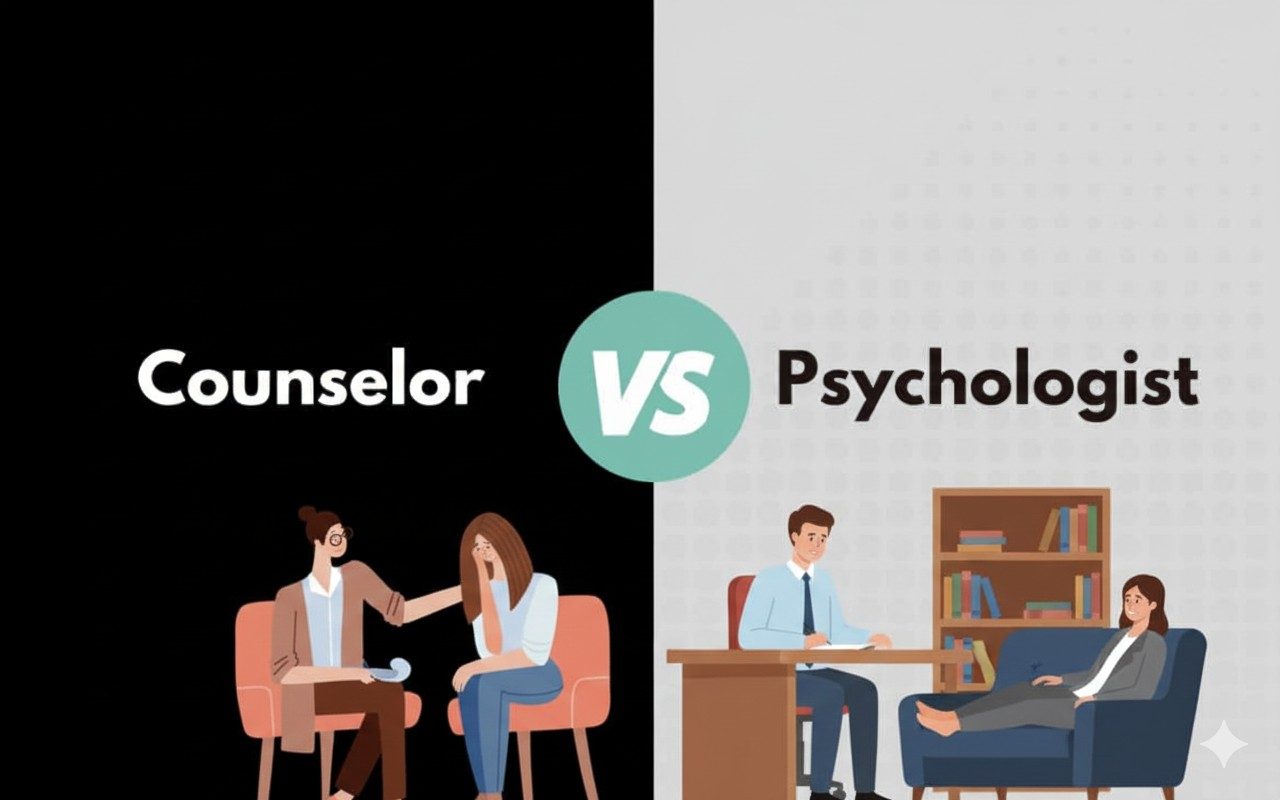
Difference Between Psychologist and Counsellor
Have you ever wondered about the difference between psychologist and counsellor—and why it matters when you or someone you care about seeks support? With mental health awareness rising around the world, more people are looking for clarity about who to turn to in times of stress, transition, or deeper psychological challenges.
Though both psychologists and counsellors aim to improve well‑being, their training, scope of practice, and even the way they approach healing can differ significantly. Understanding these differences isn’t only about titles—it’s also about knowing what type of help best fits your needs.
Let’s unpack these differences with clarity, practical examples, and real‑world insights so you can make informed decisions about mental health support.
Psychologist vs Counsellor: What’s the Core Difference?
At the heart of the difference between psychologist and counsellor lies depth of training and scope of practice:
- Psychologists are trained extensively in the science of behaviour, psychological testing, and mental health diagnosis.
- Counsellors focus more on conversation‑based support and coping strategies for everyday life challenges.
To visualise it clearly, here’s a breakdown:
| Feature | Psychologist | Counsellor |
| Training | Advanced graduate study, often doctoral level | Diploma, Bachelor’s, or Master’s in counselling |
| Focus | Deep psychological assessment, diagnosis, and treatment | Supportive talk therapy for life issues |
| Diagnosis | Can diagnose mental health disorders | Generally does not diagnose disorders |
| Approach | Evidence‑based psychological therapies | Person‑centred, goal‑oriented conversations |
| Settings | Clinics, hospitals, research, assessments | Schools, community centres, private practice |
In essence, psychologists are more likely to work with more complex psychological conditions and are trained to assess behaviour scientifically, while counsellors often help clients navigate immediate emotional or situational struggles.
Training & Credentials: Why They Matter
Psychologists
Becoming a psychologist involves rigorous academic and professional training — often 6+ years of education. Most psychologists pursue:
- A Bachelor’s degree in psychology
- A Master’s or Doctorate (Ph.D. or Psy.D.)
- Supervised clinical hours and licensing requirements
This level of training equips psychologists with strong research skills and capabilities to assess cognitive processes, conduct psychological testing, and develop tailored treatment plans.
Counsellors
Counsellors typically enter the profession through:
- A diploma or Bachelor’s degree related to counselling
- A Master’s in counselling or psychotherapy (optional but common)
- Supervised practice hours
Because “counsellor” isn’t always a legally protected title in some countries, the exact training can vary — which makes it especially important to check for accreditation with professional bodies when selecting a counsellor.
Quick Tip: Always ask about your provider’s qualifications and memberships (e.g., accredited associations), especially if the legal framework in your region doesn’t protect the title “counsellor.”
Scope of Practice: What Each Professional Does
What Psychologists Do
Psychologists are trained to:
- Administer psychological assessments and tests
- Diagnose mental health disorders
- Develop evidence‑based treatment plans
- Research human behaviour and mental processes
- Work in clinical, academic, or research settings
For example, if someone is struggling with persistent anxiety, depression, or trauma that requires deep analysis and intervention, a psychologist might employ tools like CBT (Cognitive Behavioural Therapy), comprehensive assessments, or structured therapeutic protocols.
What Counsellors Do
Counsellors often help with:
- Emotional support during life transitions
- Relationship challenges (e.g., family, work, or career stress)
- Goal setting and in‑the‑moment coping skills
- Personal growth and resilience building
Their work is typically collaborative and strengths‑based, focusing on helping clients navigate and manage life’s day‑to‑day challenges rather than diagnosing clinical disorders.
Approaches to Therapy: Science vs Personal Support
Though both professions use talk therapy, their approaches often differ:
Psychologist’s Methodology
Psychologists tend to use structured, evidence‑based therapies with a strong research foundation — such as:
- Cognitive Behavioural Therapy (CBT)
- Dialectical Behaviour Therapy (DBT)
- Acceptance and Commitment Therapy (ACT)
These are often tied to specific goals, measurable outcomes, and regular reassessment.
Counsellor’s Approach
Counsellors may use a more person‑centred approach that emphasises empathy, support, and active listening rather than rigid structures. This method can be particularly effective for clients seeking:
- Support through change
- Improved communication skills
- Better emotional regulation
- Short‑term goals and clarity on personal challenges
Personal Experience: Choosing What Fits You
Let’s pause for a moment and consider a real‑world scenario:
Imagine you’re navigating a tough breakup and finding it hard to focus on everyday life. A counsellor might help you explore what you’re feeling, build healthy routines, and develop coping strategies in a few sessions. But, if you start noticing deeper patterns such as long‑standing anxiety or episodes that disrupt work or daily functioning, consulting a psychologist could help you understand underlying causes and receive structured therapeutic support.This example shows how both professionals can support mental well‑being, but the depth and direction of help differs based on what you’re experiencing.
When to See Which Professional?
Here’s a simple guide:
Seek a Counsellor if you’re:
- Facing life transitions (e.g., career changes, grief)
- Wanting support with relationships or communication
- Looking for short‑term strategies to manage stress
Seek a Psychologist if you’re:
- Struggling with clinical symptoms (e.g., anxiety, depression)
- Interested in psychological assessment or research‑based treatment
- Looking for long‑term therapy tailored to deep behavioural patterns
Quick Takeaways
- Training: Psychologists typically have more extensive education (often doctoral), while counsellors often focus on practical therapeutic skills.
- Diagnosis: Only psychologists generally diagnose mental health conditions.
- Approach: Psychologists delve deeper into behaviour and evidence‑based therapy, whereas counsellors focus on supportive conversation and immediate coping strategies.
- Regulation: Titles like “psychologist” are more protected/legal in many countries compared to “counsellor.”
Conclusion: A Spectrum, Not a Competition
Understanding the difference between psychologist and counsellor helps you seek the right kind of support when you need it most. One isn’t “better” than the other—they shine in different situations. What’s most important is finding a trusted professional whose approach matches your goals, comfort, and needs.
Whether you choose counselling for supportive guidance or psychological therapy for deeper mental health work, both paths are valuable and can transform your life.